Learn how Mai Blue approaches food safety, hygiene and quality checks throughout production.
MBPPW aims to be a top producer of bottled natural mineral water, recognized for our safe, quality products and excellent customer service. Towards this end, MBPPW strives to meet customer expectations by establishing, implementing and continuously improving our HACCP System.Besides monitoring procedures and methods, our staff are trained on handling critical control points (CCP) with their respective critical limits (CL). Staff are also trained on corrective measures and actions to be taken when the monitoring results deviate from the CLs set. All flow processes and production operations are verified either by audit or tests carried out by independent laboratories. Staff are trained on proper documentation such as using checklists, and proper record-keeping. For all procedures and monitoring records, we have established a proper documentation system, including document control of confidential data.

We uses enclosed production areas and separate storage for materials and finished goods to help reduce contamination risks. A hygienic environment depends on how a facility is arranged as well as how it is used each day. Clear separation helps protect products as they move between different stages of preparation and packaging. Storage organisation also matters because clean items should remain protected from potential sources of contamination. These principles give everyday housekeeping a clear purpose: supporting careful handling throughout the workplace. Good manufacturing practices provide a practical foundation for this approach, connecting the condition of the premises with the activities taking place inside them. Our aim is to maintain an environment where hygiene remains part of routine operations and where thoughtful organisation supports the care given to every bottle we produce.
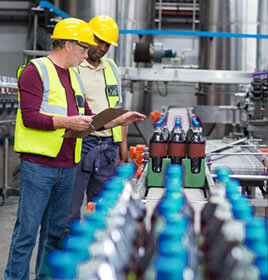
Mai Blue trains staff in hygiene practices and requires appropriate work attire during their duties. Personal hygiene is an everyday responsibility that supports the care taken throughout a food production environment. Clothing, cleanliness and attention to the surrounding workspace all contribute to that responsibility. Training helps people understand why their actions matter, rather than treating hygiene as a separate task. Consistent habits are especially important when work involves materials, equipment and products at different stages of production. A shared understanding of hygiene also encourages consideration for colleagues and the spaces they use together. Our aim is for every team member to recognise their contribution to a clean workplace. By keeping attention on these everyday responsibilities, we support a working culture in which careful handling and personal cleanliness remain important throughout each shift.
We introduced HACCP in 2017 to identify production hazards and establish preventive controls. The purpose of this approach is to consider where food safety problems could arise and how they can be addressed. Looking at risks systematically helps connect production activities with the wider goal of protecting the finished product. Prevention is central: recognising a potential problem provides an opportunity to consider appropriate action before it affects production. HACCP also gives food safety a place within everyday operational decisions. Its value lies in applying the approach consistently, with attention to the materials being handled and the processes involved. For Mai Blue, this supports a structured way of thinking about risk, responsibility and prevention, helping keep food safety at the centre of our manufacturing approach and the work carried out each day.
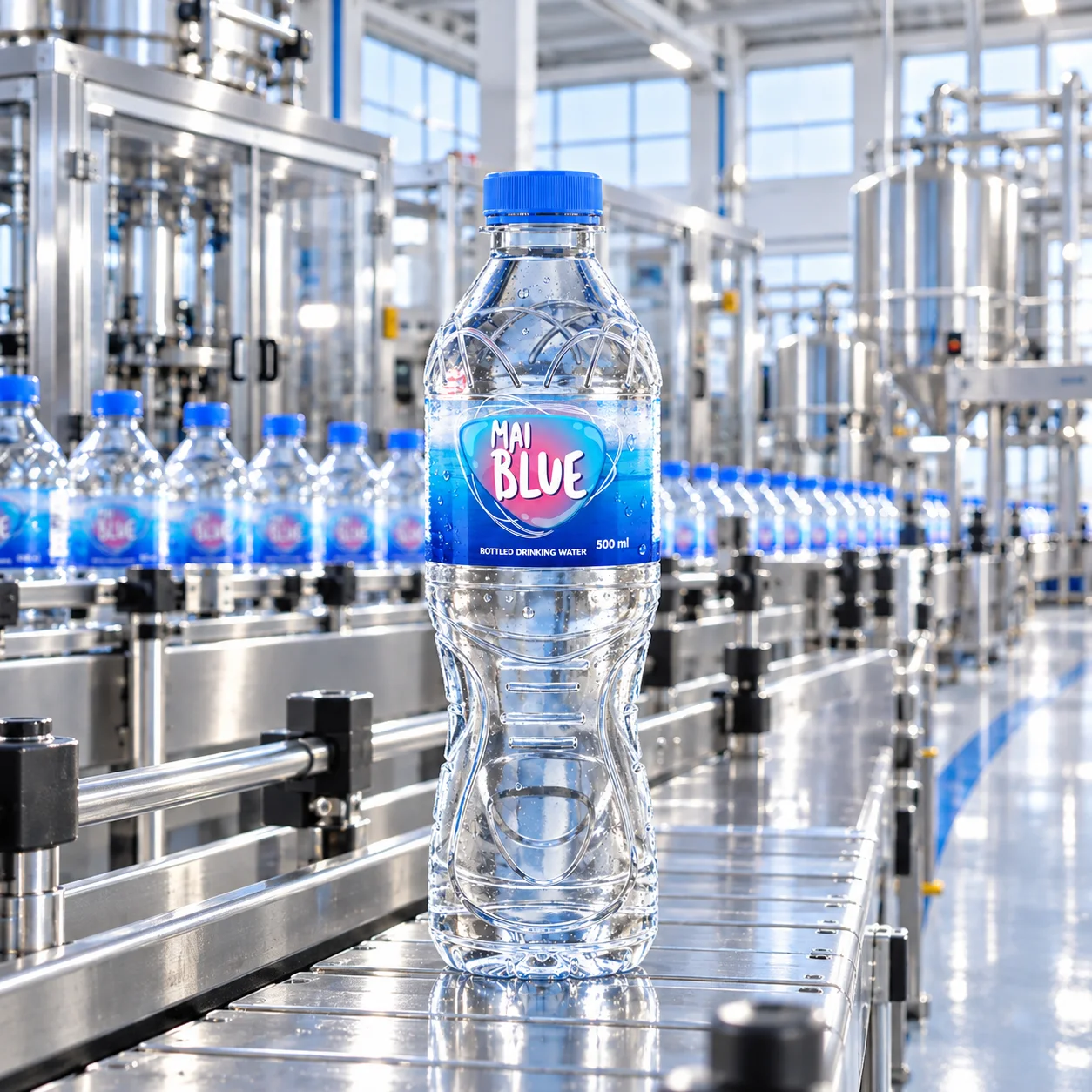
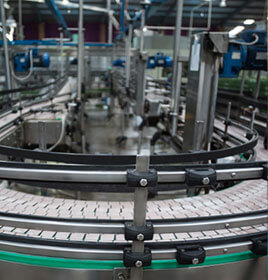
Mai Blue uses stainless steel equipment supported by maintenance and calibration arrangements. Equipment care matters because the condition of production tools affects how consistently work can be carried out. Materials suited to food production make cleaning and upkeep an important part of use. Maintenance supports reliable operation, while calibration helps establish confidence in measurements used during production. Both serve a practical purpose within a wider approach to managing the working environment. Caring for equipment also means recognising that performance depends on more than the machinery itself; it depends on the attention given to its condition over time. Our aim is to support production with equipment that receives appropriate care throughout its use. This approach keeps maintenance connected to the wider responsibilities of hygiene, consistency and careful handling within our facility each day.
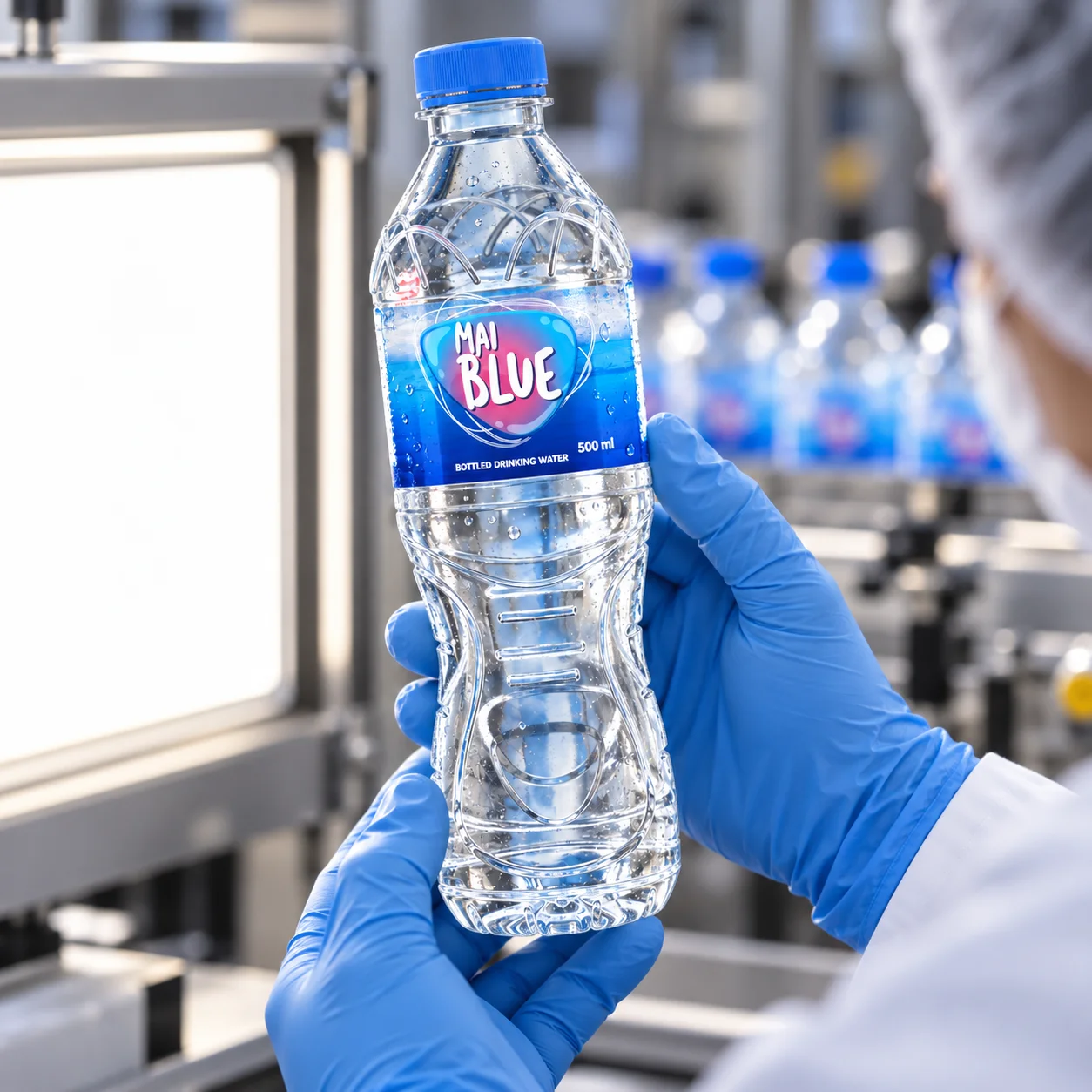
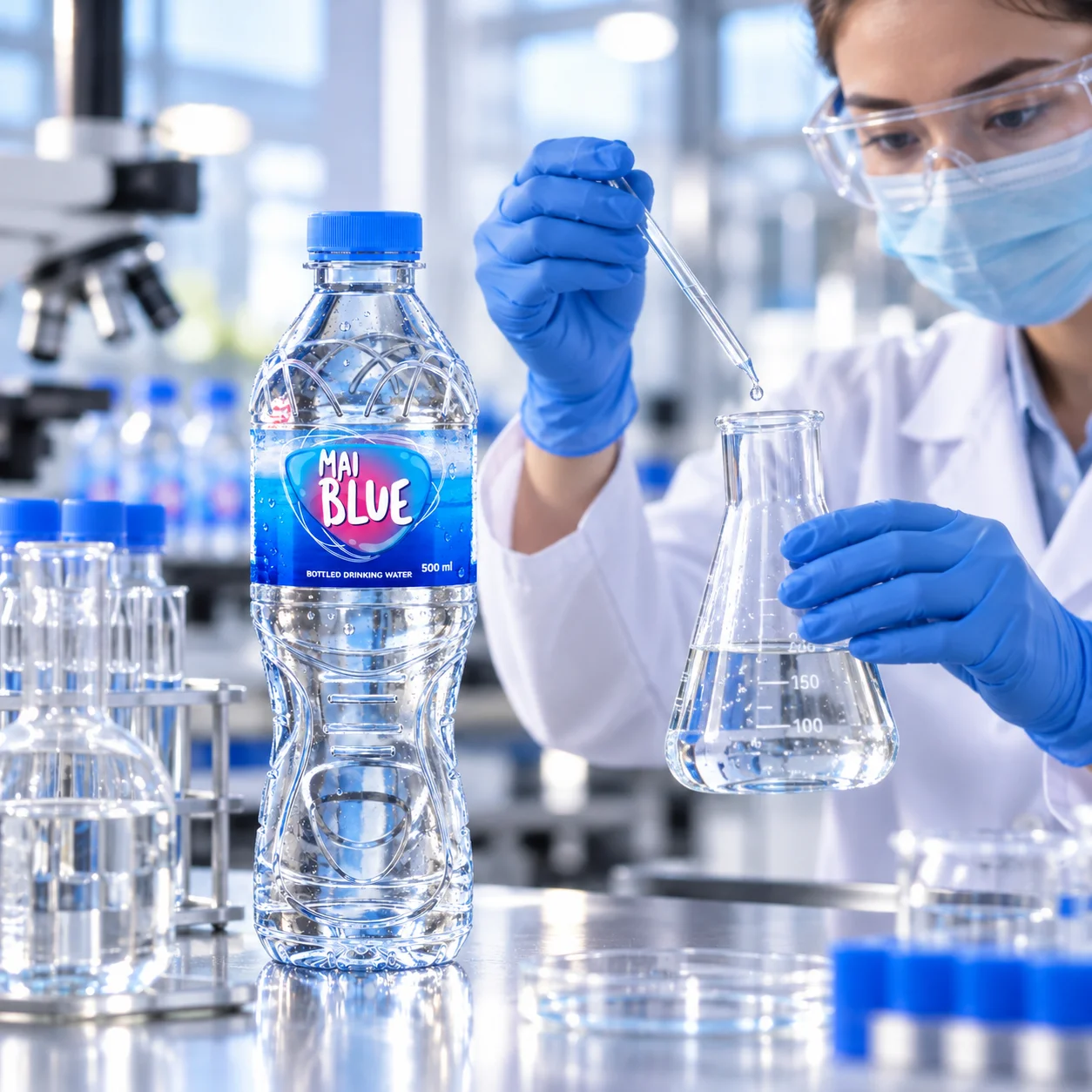
We inspects materials and products, undertakes microbiological testing, and maintains cleaning and pest control programmes. Production oversight brings these activities together within the effort to maintain quality. Looking at different stages helps build a more complete understanding than relying only on the appearance of a finished bottle. Testing and inspection serve different purposes, while cleanliness supports the environment in which production takes place. Together, these activities encourage attention to both the product and the conditions surrounding it. Their importance extends beyond an individual check: quality requires care across everyday operations. Our aim is to keep that responsibility connected to the work taking place throughout the facility. By considering materials, production activities and finished goods together, we support an approach in which monitoring remains a part of making and handling our products.
Our team is here to answer your questions about Mai Blue’s products, hygiene practices and quality processes. Get in touch to discuss your enquiry—we’d be happy to help.
Thank You ...